August
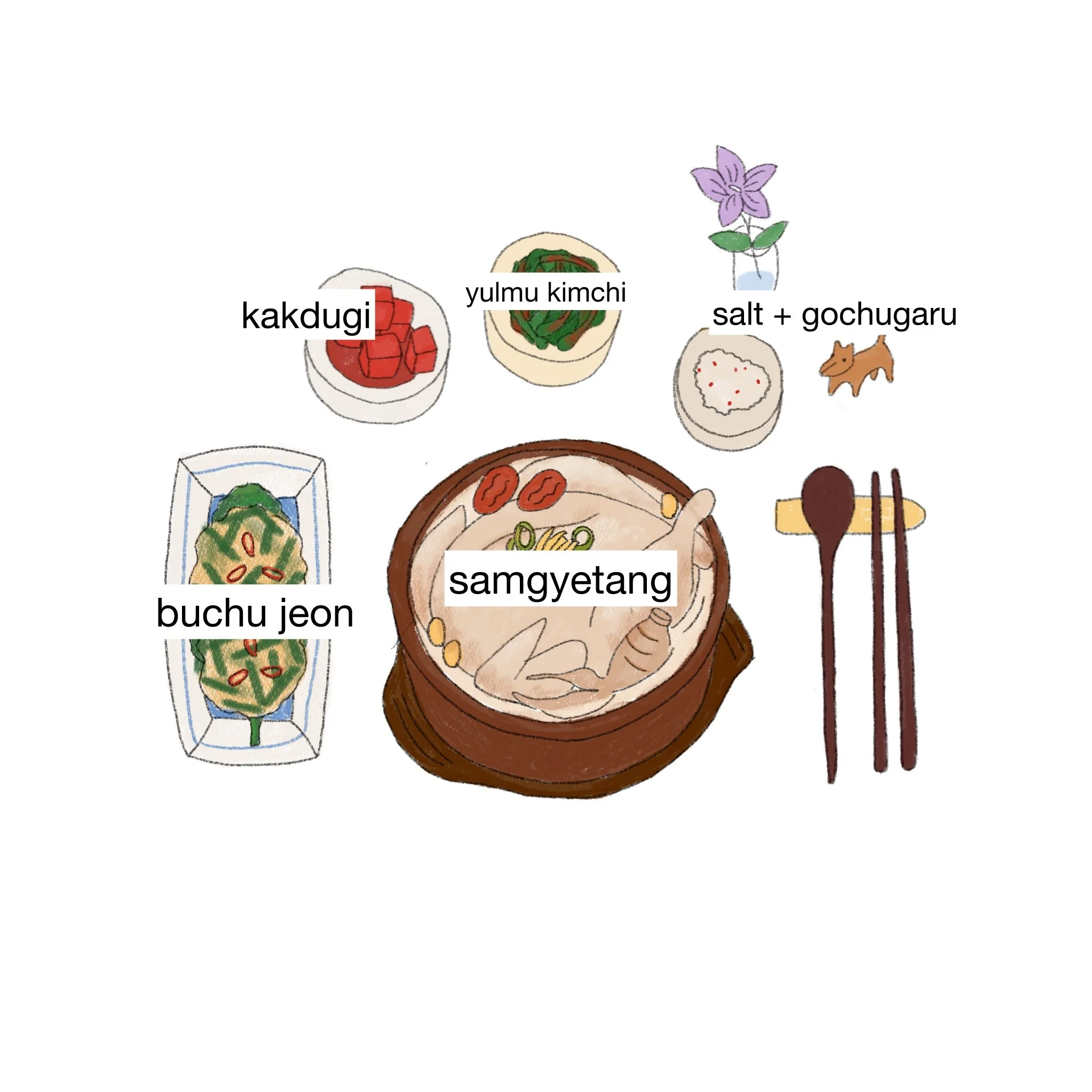
August 15 Gwang Bok Jeol, National Liberation Day of Korea.
Along with 6-2-5, 8-1-5 is an unforgettable date for Korea. This public holiday is the day in 1945, when the Imperial Japanese Army surrendered to the Allies and the brutal, 35-year Japanese colonization over Korea was finally over. This is one of the only holidays celebrated in both North and South Korea, since the liberation was monumental for the entire country before it was divided.
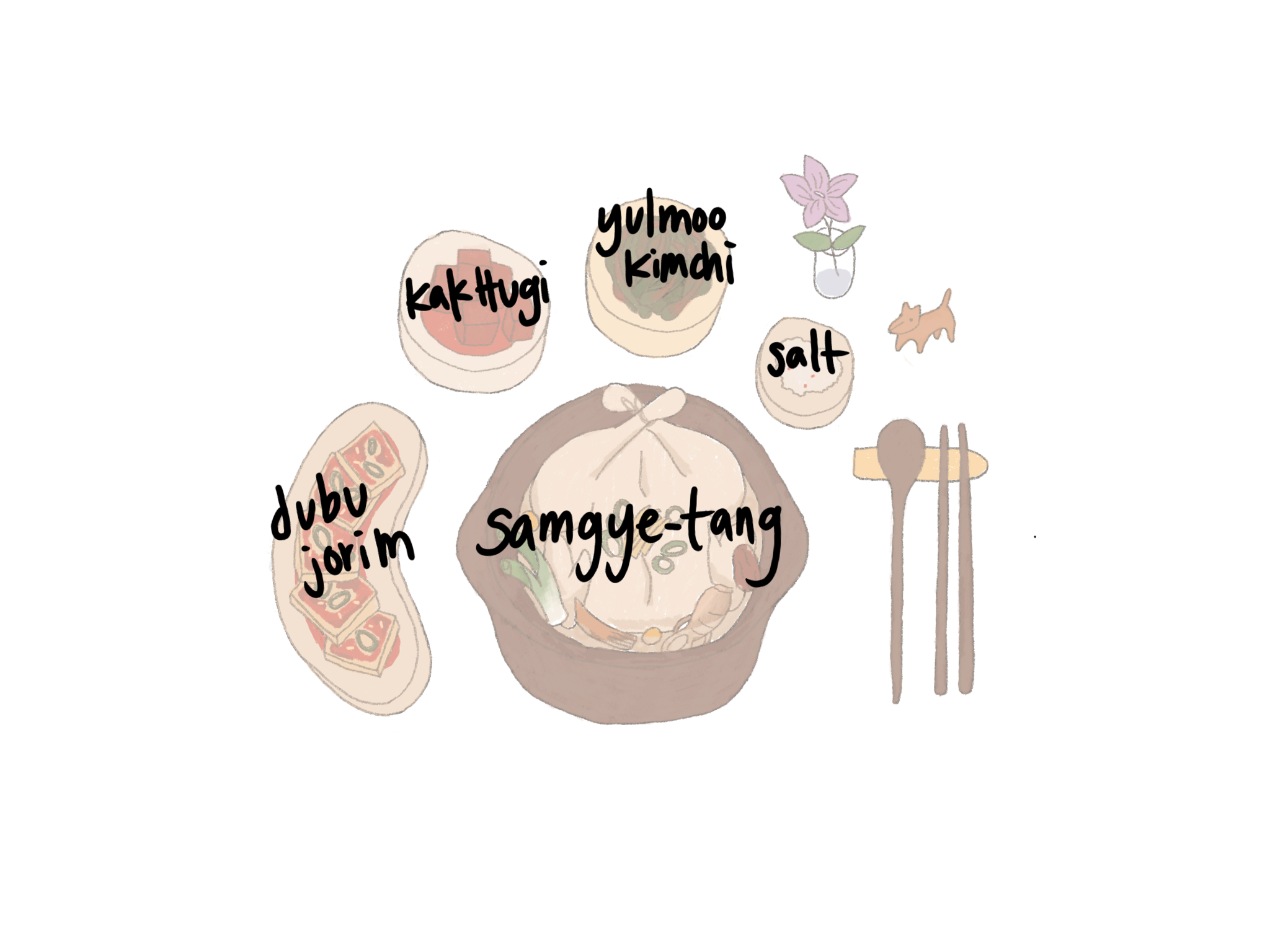
Doraji Flower
Blooms from July to August, the meaning of this flower is “eternal love.” the petals are either purple or white, and the flower opens up at night and resembles the stars in the night sky. Doraji roots are a popular ingredient for South Korean dishes. The roots have a subtly sweet and mostly bitter flavor, and are commonly used in the Samgyetang broth and also made as a banchan coated in a spicy sauce.
The Story of NaengMyun

This is probably the most well-known North Korean dish known to South Korea. Naengmyun originated from the city of Pyeongyang, where a young fellow called Dalsae who was living in a run-down tavern at the time, made a humble dish of pressed buckwheat noodles in a cold broth.
When the Korean war broke out, Naengmyun began to spread to the Southern parts of Korea through the Pyeongyang civilians who migrated South (my own grandmother was one of them!). The style of Naengmyun evolved and settled as different specialties for different regions of Korea, and you will find that the flavors are quite different for each one. But all in all, Naengmyun is always served ice-cold, with a meat-based broth or white kimchi-based broth, topped with thin sliced beef, Korean pear, and a slice of hard boiled egg.
One thing that Naengmyun has to be served with is two sauce bottles: One with vinegar, and one with mustard. without these two, the flavors of Naengmyun aren’t complete.
My honest reason of not including a Naengmyun recipe is because it is way too laborious and difficult to achieve the correct flavors compared to the store-bought packages that include the noodles, frozen broth, and garnishes. Some day I’ll try the NYTimes home made recipe, but for now, here are the packets you can easily find online.
Cucumber Kimchi Recipe

Ingredients
4 mini persian cucumbers
2 Tbsp Gochugaru
1 Tbsp fish sauce
1 Tbsp vinegar
1 Tbsp sugar
1 tsp minced garlic
1 tsp minced ginger
3-4 cup water
1 Tbsp salt
1. Boil 4 cups of water with 1 Tbsp salt
2. Wash and cut the cucumbers (in a cross shape, but not all the way)
4. pour the hot salt water over the cucumbers, let it sit for 30 min - 1 hr
5. Cut up the chives into 1 inch pieces
6. Mix all the sauce ingredients well. Taste it, and add more sugar as needed.
7. In a bowl, toss the chives with the sauce until evenly coated (not more than 1 min! Do not overmix)
8. Drain the water from the cucumbers, and stuff the cucumbers with the chive.
9. Place in a sterile, clean and airtight container and leave it in room temperature overnight.
10. Refrigerate the next day, and enjoy!
Easy SamGyeTang Recipe (for one, Rice Cooker)
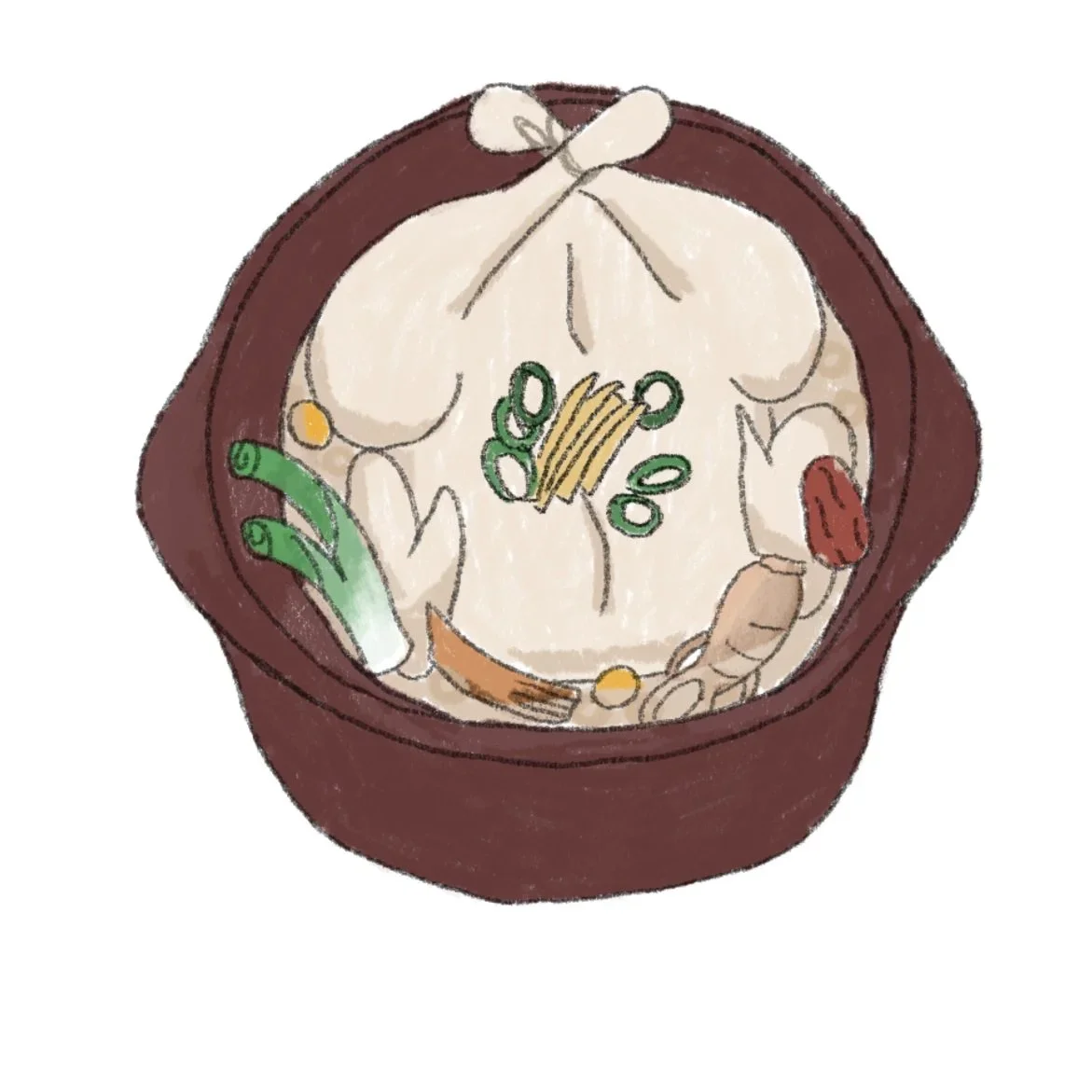
Ingredients
Chicken: 2 Drumsticks, 2-3 wings, 1 thigh
1 Leek
8 cloves of garlic
salt, pepper
1/2 onion
thumb-size peeled ginger
3 cup water
1/2 cup sticky rice
1-2 stems of chopped scallions
optional: dried Jujube, or use a pre-made spice packet on amazon
1 Tbsp salt + 1 tsp gochugaru
first, throw the chicken, onion, garlic, ginger and leek in a pot and submerge in 3 cups of water. bring to a boil and remove any scum or foam that gathers on top
transfer everything to a rice cooker, add the sticky rice, and the spice packet (optional but recommended) and press “start” or put it through a regular rice cycle.
once completed, add salt and pepper to taste, add the chopped scallions.
mix 1 Tbsp of salt and 1 tsp of gochugaru, serve on the side for you to dip the meat as you eat
serve with a bowl of rice. enjoy
SamGyeTang in an Instant pot
Ingredients
1 small whole young chicken
Sticky rice, enough to loosely fill the cavity
2 garlic cloves
1 dried jujube, plus about 6 more for the broth
1 samgyetang herbal broth pack
Sliced scallions
Salt and white pepper, for serving
Instructions
Prepare the chicken: Remove the chicken from its packaging and place it breast-side down. with shears, away the large pieces of fat at the wing tips, the tail and cavity opening. The cavity should be pre-cleaned. if not, remove any organs inside the cavity
Add the sticky rice.
Spoon uncooked sticky rice into the chicken cavity. Fill it loosely rather than packing it tightly, since the rice will expand.Add garlic and jujube.
Place 2 peeled garlic cloves and 1 dried jujube inside the cavity with the rice.
Close the chicken.
Cross the chicken legs and thread one leg through a small slit in the skin to help keep the stuffing inside. Kitchen twine can also be used.Place it in the Instant Pot.
Set the stuffed chicken inside the inner pot.Add the aromatics.
Arrange about 6 dried jujubes, the samgyetang herbal broth pack, and any included ginseng or herbal roots around the chicken.Add water.
Pour in enough water to mostly submerge the chicken.Pressure-cook.
Close the lid and cook on the Poultry setting for 25 minutes.Release the pressure carefully.
Let the pressure release before opening the lid. A natural release will help keep the chicken tender.Skim the broth.
Remove as much visible fat and foam from the surface as possible.Transfer to a serving bowl.
Carefully lift out the chicken—it will be extremely tender and may fall apart—and place it in a deep bowl.Add the broth.
Ladle the hot broth and some of the jujubes around the chicken.Garnish and serve.
Top with sliced scallions. Serve with a small dish of salt mixed with white pepper for dipping the chicken.Eat the rice inside.
Split open the chicken and spoon out the soft, flavorful sticky rice from the cavity.