May
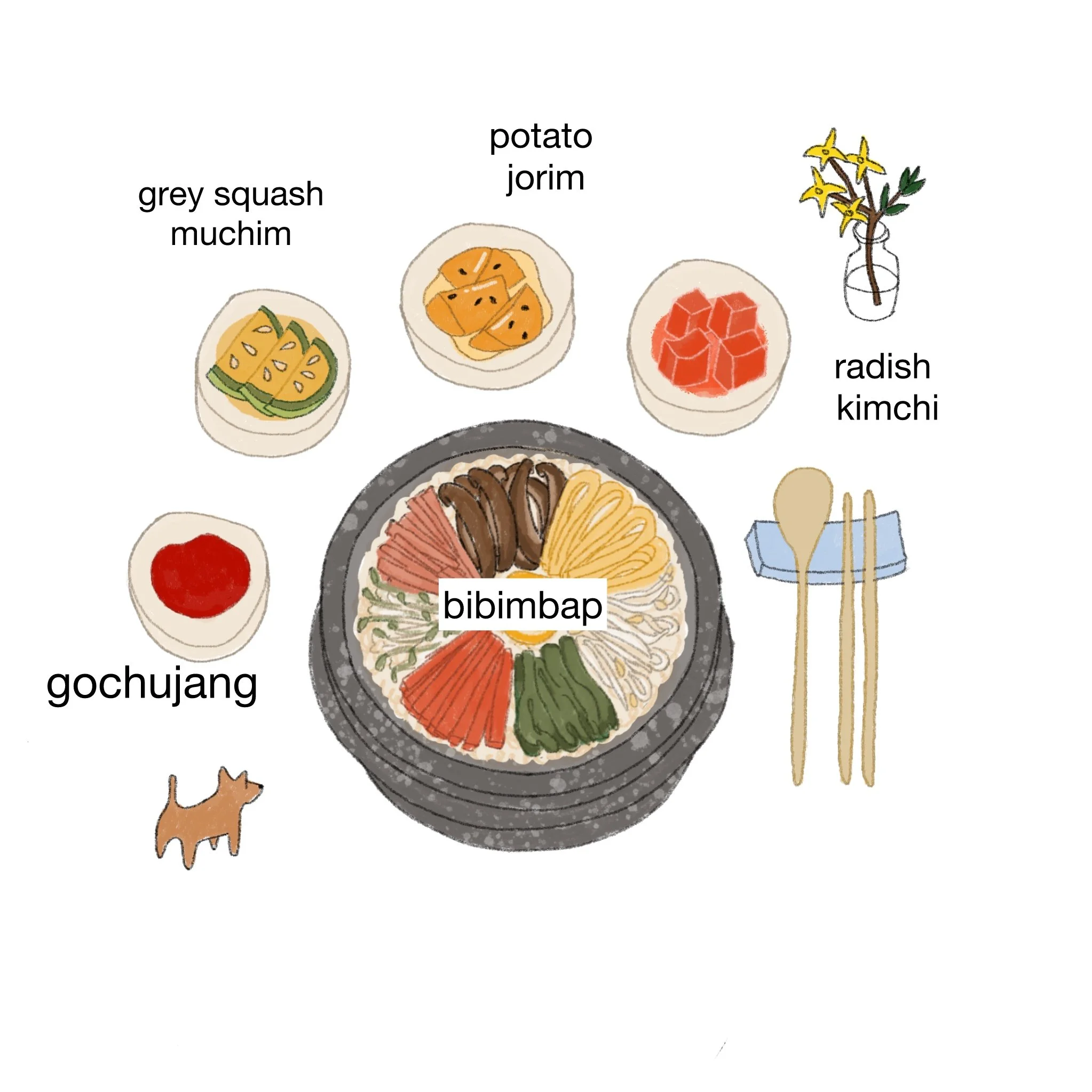
Happy May! May is a month of various celebrations, especially focused on appreciating and thanking the people around us. South Korea had dedicated days celebrated nation wide for the following:
5/5 Children’s Day: South Korea’s Children’s day is an official holiday where everyone gets the day off. It’s a day to appreciate and celebrate children, so that the Korean society can encourage a healthy and loving environment for children. On this day, children are given gifts and parents take them out to amusement parks, etc.
You might wonder why South Korea decided to emphasize Children’s day so much so that they assigned it an official holiday. This day came about when a children’s’ rights activist Bang Jeonghwan fought for a shift in the view of children in Korean society. prior to his works, the proper word for “children” or “child” did not even exist in Korea. Instead, children were referred as somewhat derogatory terms equivalent to “kiddo” or “punk” and other slangs. There were also no laws protecting children, requiring their education or proper care, and children were often treated poorly, disrespected, and even exploited as laborers. Needless to say, this only exacerbated during the Japenese invasion. In the 1920s, Bang Jeonghwan began to advocate for childrens’ rights and coined the term “uhrinee” that gave the official word for “child” or “young person.” Bang Jeonghwan relentlessly worked towards his vision to establish respect, protection, and love for children. He rallied an organization for children’s rights, called for a day to celebrate children, published a magazine called “uhrinee” and distributed flyers that said “children are our future” or even “let us not curse, hit, or exploit children.” Bang Jeonghwan’s movement and the celebration of Children’s day started to gain traction and support, until it was temporarily shut down by the Japanese in 1939. The holiday continued after liberation (1945), and on May 5th of 1946, the first official Children’s day event was held. This is where the heart-wrenching poem was read out loud by four children, that “…we were made mute and homeless by the Japanese. But we swear today that we will reclaim our home and our language…we will never forget that we are the children of Korea.” And ever since May 5th has been celebrated as a national holiday.
[maddy’s note]… I went down quite the rabbit hole here, but I actually had no idea about this history behind Children’s day until I started researching it. I’m a bit shocked and in awe that an enormous change in perception and ethics of an entire nation came from just one person’s persistent work towards change. I grew up celebrating, or being celebrated on Children’s day but had no idea it signified an incredible progress from the past.
5/8 Parents’ Day This is the day we call our parents and grandparents and send them gifts. It’s like Mother’s day and Father’s day in one day. Although not an official holiday, it’s a day that all of South Korea celebrates to honor our parents. It’s custom to gift the carnation flower to our parents as a sign of thanks and respect (this custom originated in the US)
5/15 Teacher’s Day Traditionally (although not so much in the modern day, unfortunately), teachers were given the utmost respect in Korea. The date 5/15 came from King Sejong’s birthday, since he was considered the ultimate teacher of Korea who invented hangeul, the Korean written language.
5/20 Coming of Age Day every third Monday of May, is the day that South Koreans celebrate people who officially turn 19 that year. It was established as a day to remind the new adults their responsibility as a part of the society, and to congratulate their step into the real world.
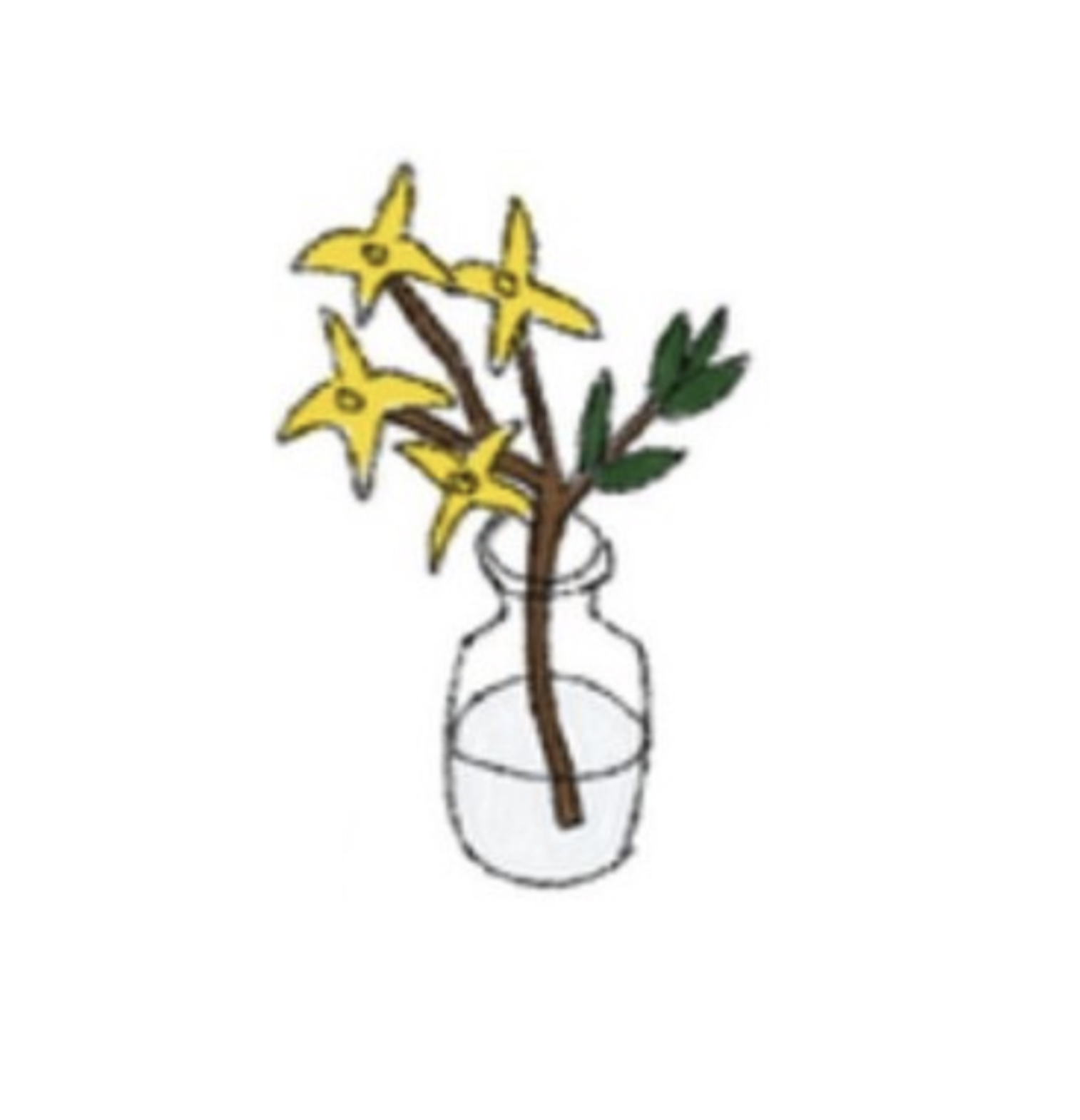
GaeNaRi (개나리) Flower
Make it stand out
the flora of South Korea serves as a marker of the four, distinct and beautiful seasons. One of them is this Gaenari, which is one of the most prominent flowers to start blooming in the spring, and can be seen all over the parks and schools of South Korea.
maybe because they bloom in the spring near the schools, Gaenari also is associated with the new spring semester for grade school children.
There is a funny and random folklore about this Genari flower as well:
Once upon a time in Korea, a monk went around town to beg for alms. When he got to a big mansion of a rich man, the rich family threw him out, saying that “we don’t even have dog poop for you here!” When he went to a poor person’s home on the other hand, the poor family didn’t hesitate to give him a generous portion of rice. to thank them, the monk made the poor family a woven basket and disappeared. This woven basket was no ordinary basket though, because to the family’s surprise, the basket magically refilled itself with rice. With the abundance of rice, the poor family was no longer living in poverty, and was made rich. The rich family heard about this and became very jealous. so when the monk came around the following year, the rich man promptly donated rice to the monk, expecting a basket as well. The monk indeed made the rich man another woven basket. But “AIKU!!” said the rich man, when he saw that the basket was magically filling up with dog poop instead. The man went and buried this poop basket under a bridge, and from that bridge sprouted bright yellow, beautiful flowers in the spring, called Gaenari.
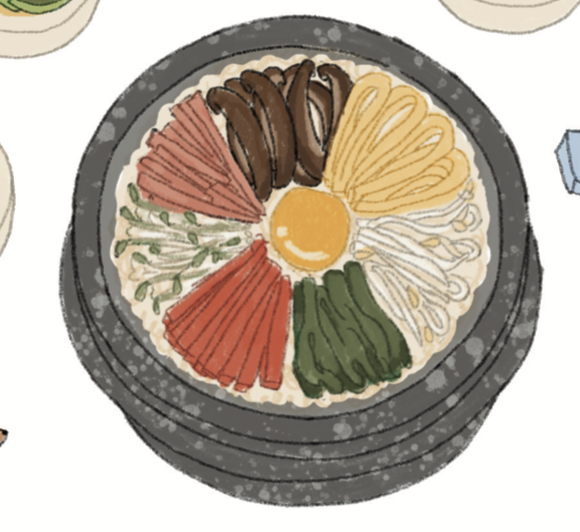
One-Pan Bibimbap Recipe (for one)
Ingredients
Eggplants, onions, shredded carrots, bell peppers, and your choice of vegetables
mixed greens
1 egg
1 bowl of cooked white rice (short grain)
1 Tbsp gochujang
1 tsp honey
2 tsp sesame oil
1 tsp soysauce
heat a large pan (this is a on-pan recipe!) and put some oil.
first, add the eggplants and lightly salt it. Then stir fry for 2 minutes. push to the side of the pan, let it cook on the side
add the onions, and lightly salt, stir fry for 2 minutes and push to the side.
then proceed to do the same for the bell peppers, other veggies of your choice (add the tougher veggies first so it cooks for longer on the side)
once the veggies are cooking, make some space and add some more oil for a fried egg. fry the egg (4-5 minutes) to your liking
while the egg is cooking, mix the gochujang, honey, sesame oil, and soysauce
top the bowl of rice with mixed greens (roughly cut smaller with shears), stir-fried veggies, fried egg and add the gochujang sauce to taste. (I start with a few teaspoons, add more if I’m in the mood for spicy)
mix and enjoy!