June
June 6 South Korean Memorial Day (Hyun-Choong il): Although not an official holiday with days off, South Korean memorial day is commemorated across public schools and government agencies. In ancient Korean customs, the best day to pay our respects to our ancestors was considered the day that the planting cycle started for the rice crops (and this day was called Mang Jong, counted on the lunar calendar). In 1956, the government assigned that year’s Mang Jong (6/6) as the S. Korean Memorial Day made to commemorate the soldiers that protected S. Korea in various wars.
6.25 Outbreak of the Korean War (1950): Any Korean will recognize the number, 6-2-5 even if not everyone will know the exact significance and year of the date. The date has been taught in school curriculums not to be forgotten, and this was the day that North Korea invaded South Korea and started the Korean War.

Moo-Goong Hwa (Hibiscus)
This is the national flower of South Korea.
Known for its resilience, it was a beloved flower that was considered divine since the dynastic era of South Korea. During the Japanese colonization, the nation’s love for the flower intensified also as an act of resistance, and naturally became the official flower of South Korea since liberation.
The Story of Nengmyun
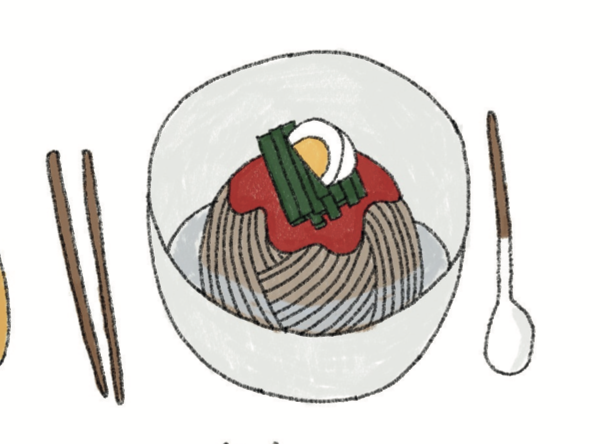
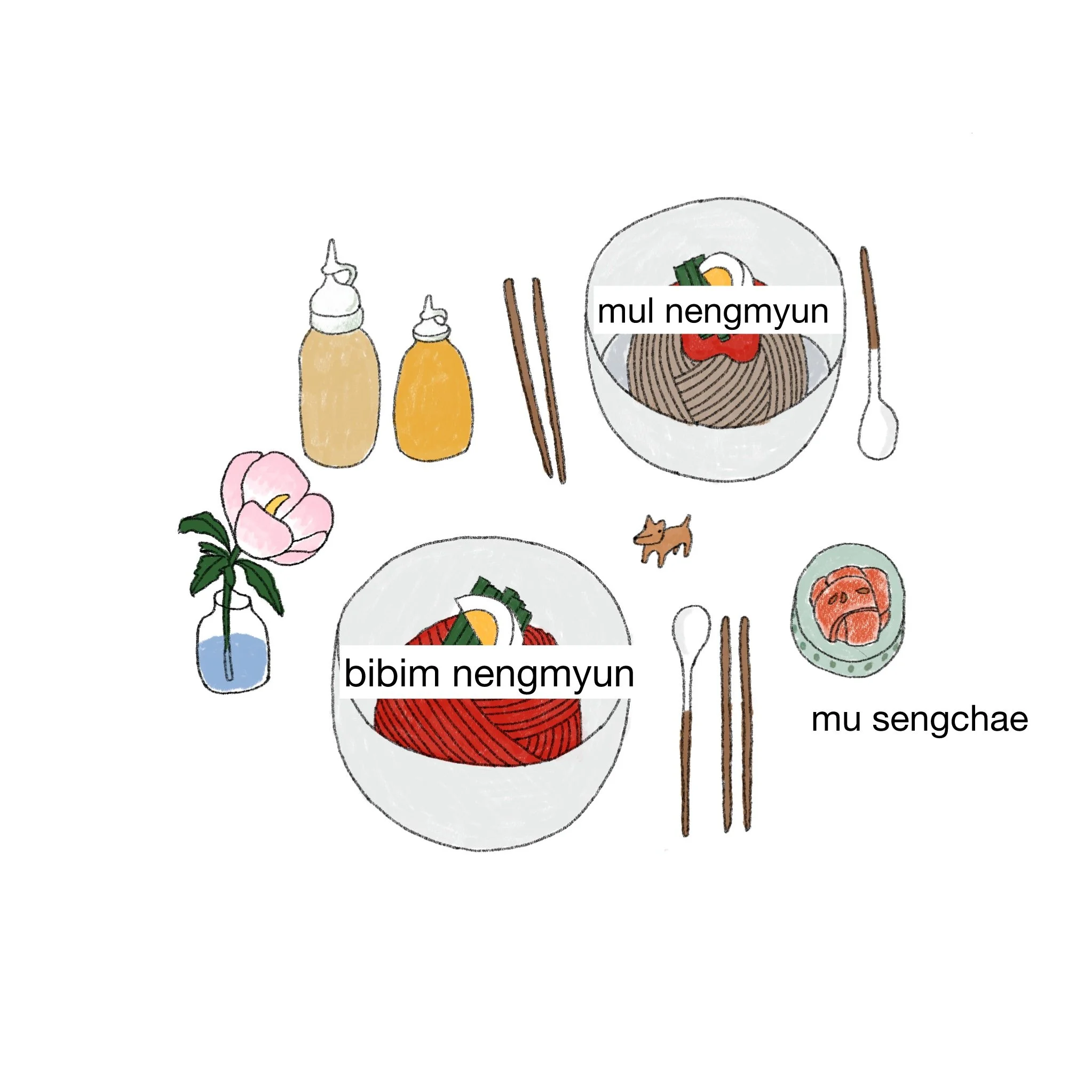
This is probably the most well-known North Korean dish known to South Korea. Naengmyun originated from the city of Pyeongyang, where a young fellow called Dalsae who was living in a run-down tavern at the time, made a humble dish of pressed buckwheat noodles in a cold broth.
Whatever it is, the way you tell your story online can make all the difference.
When the Korean war broke out, Naengmyun began to spread to the Southern parts of Korea through the Pyeongyang civilians who migrated South (my own grandmother was one of them!). The style of Naengmyun evolved and settled as different specialties for different regions of Korea, and you will find that the flavors are quite different for each one. But all in all, Naengmyun is always served ice-cold, with a meat-based broth or white kimchi-based broth, topped with thin sliced beef, Korean pear, and a slice of hard boiled egg.
One thing that Naengmyun has to be served with is two sauce bottles: One with vinegar, and one with mustard. without these two, the flavors of Naengmyun aren’t complete.
My honest reason of not including a Naengmyun recipe is because it is way too laborious and difficult to achieve the correct flavors compared to the store-bought packages that include the noodles, frozen broth, and garnishes. Some day I’ll try the NYTimes home made recipe, but for now, here are the packets you can easily find online.
Bibim Guksu Recipe (for two)

Ingredients
4 Tbsp gochujang
1 Tbsp gochugaru
2 Tbsp sugar
2 Tbsp sesame oil
1 Tbsp minced garlic
2 Tbsp rice vinegar
2 portions of somen noodles
cucumber for garnish
sesame seeds for garnish
1 egg
*this recipe is spicy to beat the heat! reduce the amount of gochujang or gochugaru to make it less spicy
soft boil your egg
mix all the sauce ingredients together: Gochujang, gochugaru, sugar, sesame oil, garlic, and rice vinegar
boil the somen noodles as directed in the noodle package. Strain and rinse in cold water.
mix the noodles with the sauce until the noodles are evenly coated
plate and garnish with sliced cucumbers and half a soft-boiled egg. sprinkle with sesame seeds, and enjoy
Bibim Guksu used to be a fancy dish with lots of delicately prepped toppings made in the royal kitchen. Its original recipe was recorded in a book written in the 1800s. Back then, before wheat was rarely used in Korean cuisine, the noodles were made with either potato or buckwheat. Only after the Korean war when flour became widely available the modern Bibim Guksu became popular.